


By Dylan Sokolovich, Communications Intern
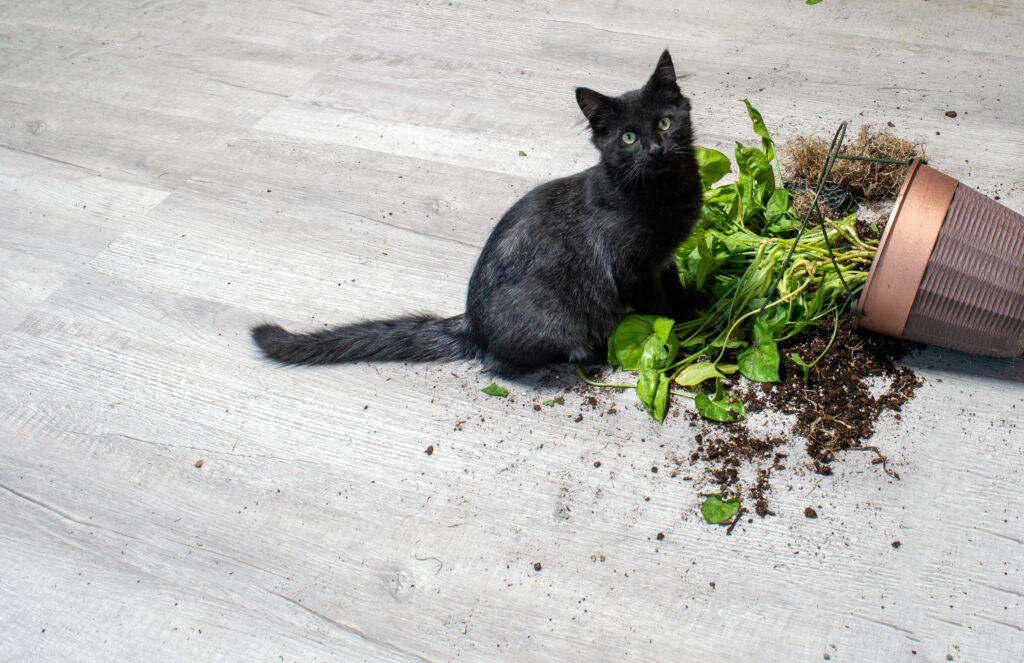
Whether you own a curious cat or mischievous dog, they may be tempted to chew and consume your houseplants. However, many common houseplants can prove to be toxic to our beloved pets. While it’s best for any pet owner to research whether a plant is safe, it is possible to be a good pet and plant parent simultaneously.
Some types of plants, such as lilies or aloes, must be entirely avoided, but there are a variety of safe alternatives for the conscientious pet owner. For National Houseplant Appreciation Day, here are some cat- and dog-safe plant options, plants to avoid, and tips on how to keep both your pets and plants safe and healthy.
The Best Pet Friendly Plants
1. Peperomia (Monsteras, Pothos, Philodendrons, and Much More)
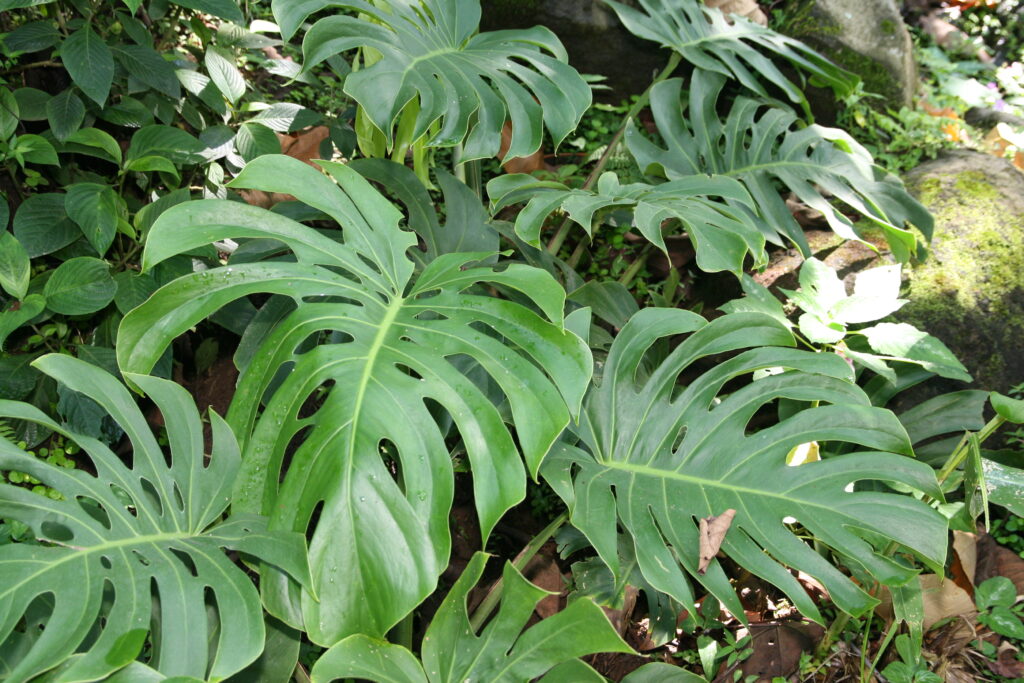
Searching for a low maintenance, easy-to-care household plant that is safe for your pets? If so, peperomia is perhaps your best choice. There are an estimated over 1,000 species of peperomia in the world, and the entire family is 100% pet-friendly for cats and dogs. They may even be safe for your bunny or other smallie companions, too!
Due to their diversity of colors, textures, leaf shapes, and size, members of the peperomia family have become popular amongst houseplant collectors, making them an easy find at many local nurseries. Members of the peperomia family store water in their thick leaves and stems, meaning they only have to be watered every 7 to 10 days. They grow best under bright, indirect light and prefer moderate to high humidity, perfect for terrariums or to decorate your bathrooms.
2. Certain Succulent Plants
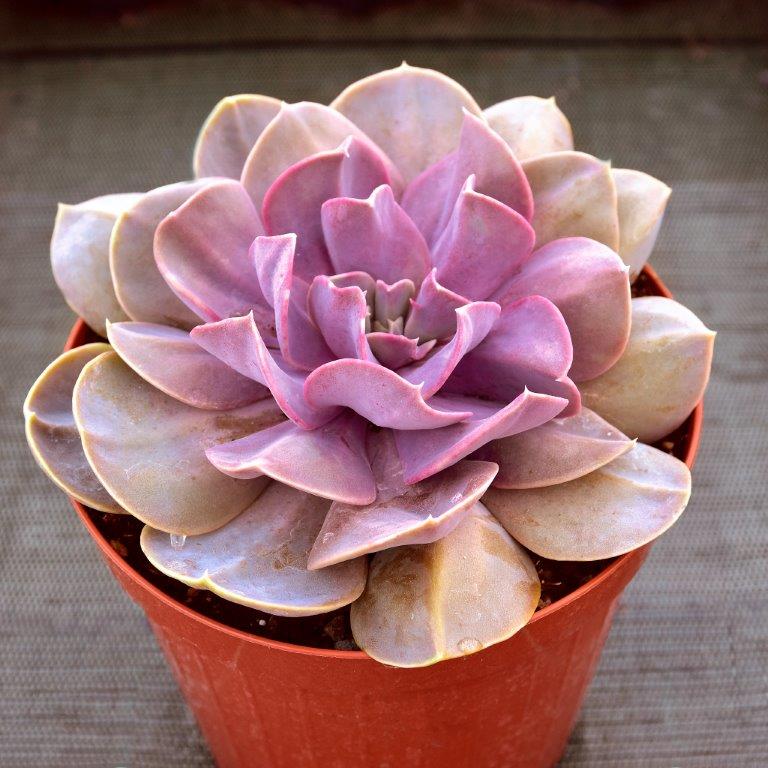
Related to the peperomia family, succulent plants have grown tremendously in popularity. They are compact, aesthetically pleasing, and easy to care for, making them the perfect addition to a small apartment or the collection of an avid houseplant enthusiast. Better yet, many members of this species are safe for dogs and cats.
When looking to add a succulent to your family, it is still best to research whether it will be safe for your furry friends. However, a majority of the most popular sold in nurseries are non-toxic, including echeveria, haworthia, hens and chicks, chinese money plant, and donkey’s tail. To keep your pets protected, you’ll want to pass over prickly cacti and toxic succulents, such as aloe, snake plants, and kalanchoe.
3. True Ferns
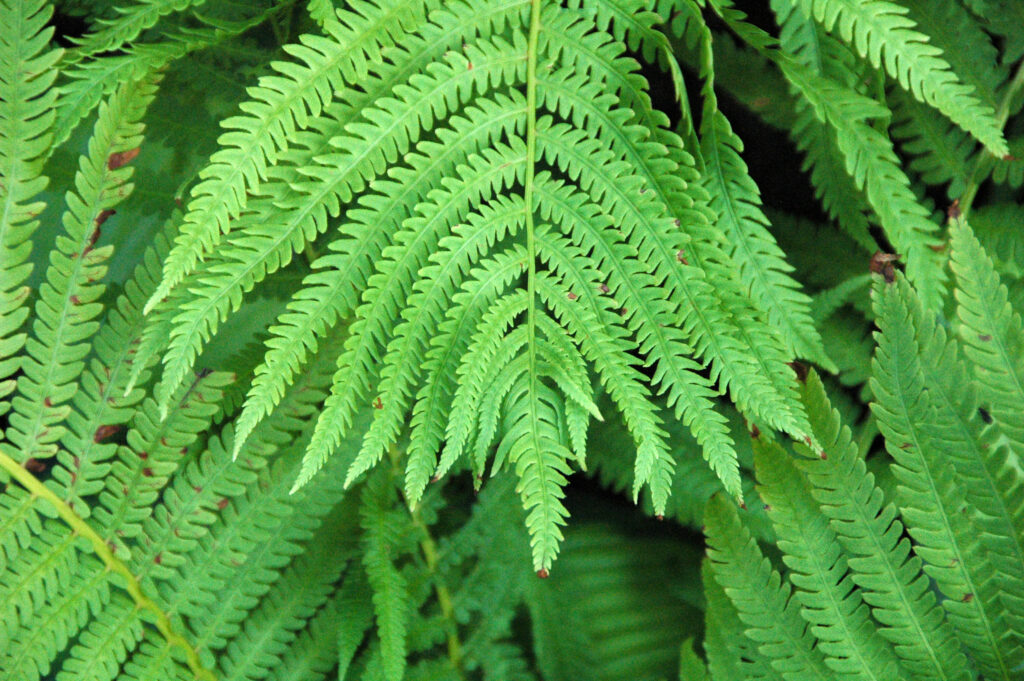
Most species of true fern are non-toxic to pets, allowing your playful cat to bat at the plant all they want and are even safe if your dog mistakenly chews on it. The boston, maidenhair, bird’s nest, and many others are pet-friendly and brighten up almost any area of the home. They also look great in a hanging basket, perfect for keeping them out of your pets reach.
True ferns enjoy indirect light, evenly moist soil, and high humidity, but they’re notoriously difficult to care for. However, if you think you’re to test your houseplant expertise, and are looking for a beautiful and pet safe option for your home, perhaps give a fern a try. Just beware of misnomers that are actually toxic, such as the asparagus fern.
4. Palms

Like ferns, many species of palms are safe in households with cats, dogs, and even birds. Palms range in size, shape, and character, meaning there’s a style perfect for almost any home.
Although they’re pet safe, don’t go filling your homes with palms just yet. If you have a cat that is at all curious, they’ll most likely tear your beloved plant to shreds, leaving your cat with an upset stomach and you with a dead palm.
Palms include thousands of species, ranging from tropical, subtropical, and desert climates, and each of their required care is different. Generally, most young palms need regular and thorough watering with good drainage. While almost all palms are safe for animals, the sago palm is considered one of the most toxic household plants for cats and dogs, and it must be avoided. When purchasing a palm for your home, be sure to check the plant’s label as Dracaenas, a plant commonly mislabeled as a palm, is also toxic to pets.
5. Orchids
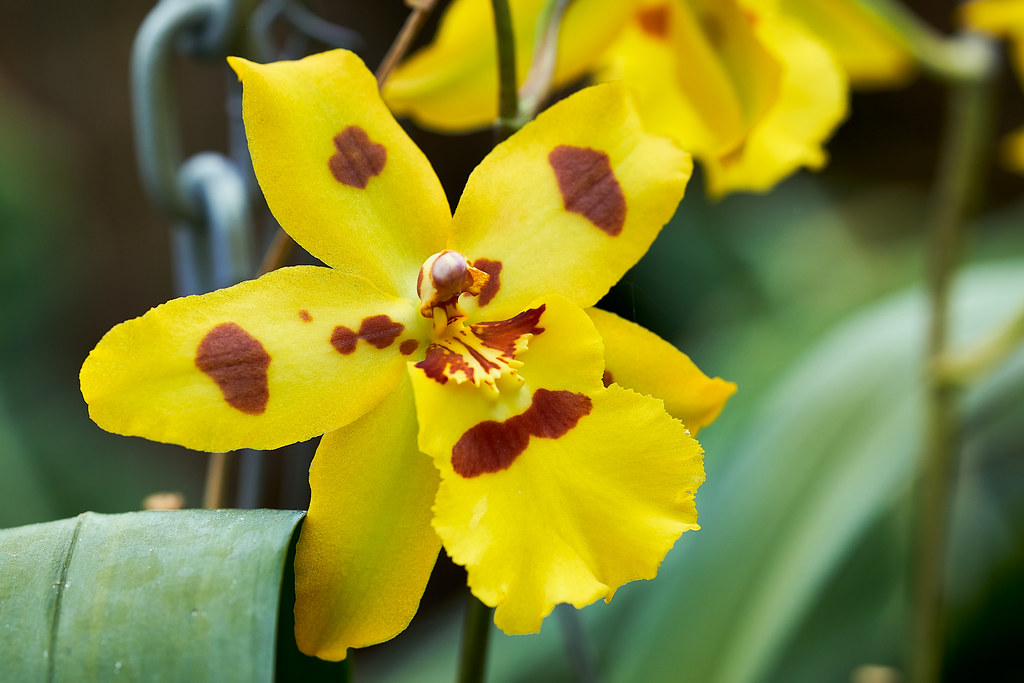
Few plants bring an air of elegance to a household quite like the orchid. If you’re looking to bring such grace into your home, you’re in luck, nearly all orchids are nontoxic to cats, and others, such as the Oncidium orchid and Phalaenopsis orchid (moth orchid), are safe for both cats and dogs. Many suggest that orchids may be safe for rabbits and other smallies as well.
Orchids do best in indirectly bright, warm, and humid spots, and if they’re well taken care of, they can last up to 15 to 20 years. These plants typically bloom once a year for up to three months with these blooms spanning a variety of colors depending on the species. This makes them a great alternative to other flowering plants that are highly toxic to animals, such as lilies, chrysanthemums, hyacinths, and daffodils.
Tips to Keep Your Pets, Plants Safe
While each of these plants are safe for your pets, it’s still important to check if a houseplant is safe for cats, dogs, or smallies before making any purchase. If you’re unsure about the safety of a specific plant, it’s best to visit a nursery or local garden store and talk to an expert in person.
Even non-toxic plants, particularly when consumed in large quantities, can make your pet sick. It is always best to keep your plants out of reach by using high, out-of-the-way shelves, terrariums, or even hanging baskets. Don’t substitute real plants for a fake alternative, either, as a majority of these can also cause stomach and intestinal issues for your beloved pet.
If your cat or dog is exploring your household plants out of boredom or curiosity, find forms of enrichment as a healthy substitute. Kitty grass may serve as a good distraction for your cat, while puzzles full of treats or safe toys will be sure to keep your dog entertained.
While you may not be able to get all the plants you want, it is possible to own plants while keeping your favorite furry friends safe. With research and creativity, your plants and pets will not only be able to live together, they may even thrive. These plants are just a starting point for the houseplant lover and conscientious pet owner looking to keep their animals safe without losing their favorite hobby. Happy National Houseplant Appreciation Day!
Leave a Reply