


By Dylan Sokolovich, Communications Intern
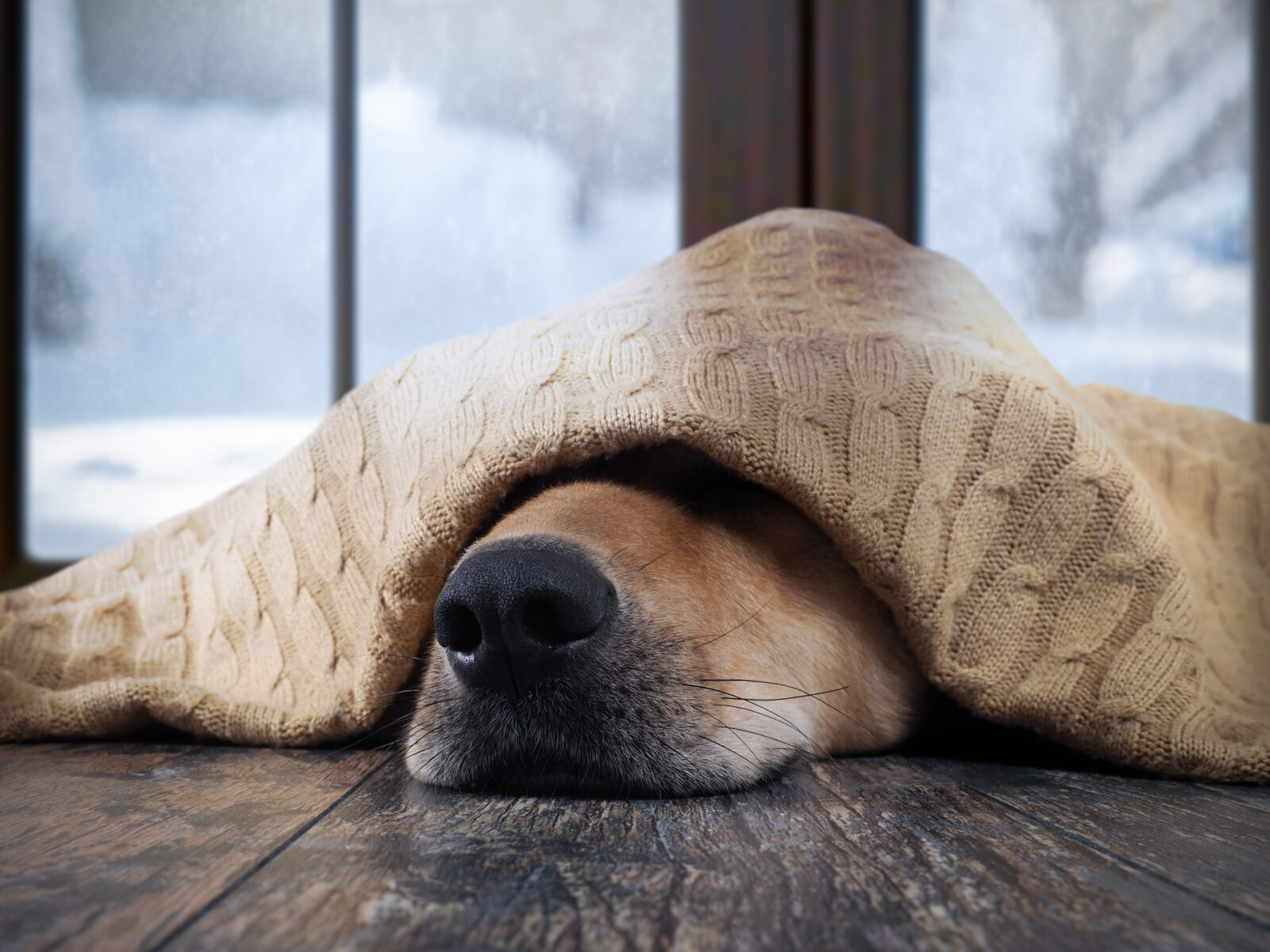
In Berks County, winter means bitter cold air and chilly rain, sleet and snow. If you’re cold, chances are your four-legged furry family is too. Make sure they stay warm this season by following these simple guidelines.

- Keep Pets Sheltered from the Elements
Dogs are happiest when taken on frequent walks and allowed to play outside, but winter chills significantly threaten their safety. It’s always best to keep your pets inside as much as possible during frigid days to avoid weather-associated health risks like hypothermia and frostbite.
When the National Weather Service predicts a wind chill of 20° or colder, or snow or ice are expected with temperatures of 32° or less, the Department of Animal Protection at the Animal Rescue League of Berks County will issue a Code Blue declaration for the city of Reading. To keep your pets safe during this time, dogs may not be left outside unattended except for brief walks or exercise.
Unfortunately, Code Blue only applies to the City of Reading and West Reading Borough. For other municipalities, the only requirement is for the dog to have proper shelter. Proper shelter is defined by the law as a dog house big enough for the dog to be able to stand and turn around and small enough to preserve body heat.

02.
Know Their Limits
Be aware of their limits if your dog is excitedly waiting and wagging for their next walk. Pets’ cold tolerance can vary based on their health, body fat stores, activity level, and coat. Short-haired pets feel cold the fastest because of their limited protection, while long-haired or thick-coated pets may be more tolerant to winter’s chills. Either way, all pets are at risk for frostbite and hypothermia during extreme cold snaps.

03.
Sweater Weather
Besides helping them look absolutely adorable, your pet may also benefit from having a sweater or dog jacket. If your dog has a short coat or seems to be disturbed by the cold weather, this dry extra layer will help keep them warm. You might also consider booties to protect them from harsh chemicals and to reduce the risk of ice accumulation, but they must fit properly.
04.
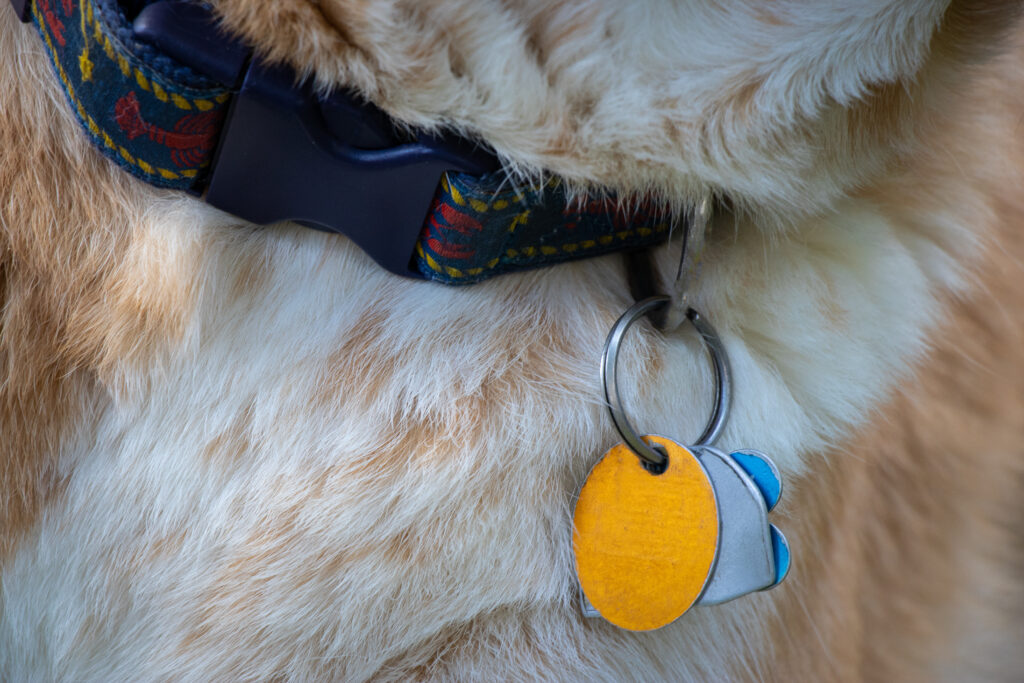
Chip and Collar
While pets can get lost at any time, it is particularly common during winter. A well-fitting collar or microchip with up-to-date and accurate identification and contact information will help your pets make it home safely if lost. If your dog is microchipped, make sure your information is current in the microchip database.

05.
Be Alert
During a walk, a sudden lameness may be a sign of an injury or an accumulation of snow and ice between your dog’s paws, but this can easily be prevented by checking and wiping their paws regularly with a towel. After each walk, dry your pet’s feet and stomach to remove ice, salt, or other harmful chemicals. Check their paw pads for any cracks or redness between the toes to protect them.
If your pet is shivering, whining, sluggish, seems weak, or is displaying anxious behavior, these may be signs of hypothermia. Exposed skin on noses, ears, and paw pads are also common areas of risk for frostbite in dogs. Frostbite is harder to detect but can present as pale discoloration, swelling, and pain when touched. If you suspect your dog may have developed frostbite or hypothermia, it is best to reach out to your veterinarian immediately.
Remember, if it’s too cold for you, it’s too cold for your pet. Dogs left outdoors in the winter, especially during a Code Blue declaration, are at greater risk of getting disoriented, lost, or even injured.
If you or someone you know find a dog outside during a Code Blue, please contact our Department of Animal Protection at 610-373-8830 ext. 400 or the Police Department in your municipality.
Leave a Reply