

About
The Animal Rescue League of Berks County is a charitable 501(c)3 organization caring for over 5,000 animals each year to help them find second chances in a new home or to help reunite them with their grateful owners. For over 70 years, we’ve worked tirelessly to care for the sick, treat the injured, comfort the unwanted, and protect the abused.
We also offer human-animal support resources, low-cost veterinary services, animal control programs, and animal cruelty and humane law investigation throughout Berks County, Pennsylvania.
Mission & Vision
Our mission:
We protect animals, provide a safe haven and promote innovative programs and services to help both people and animals in need throughout Berks County.
Our vision:
A world where people are empowered to respect and care for all animals with love and kindness.
Our Values

Integrity
We give our very best for the animals we are honored to care for and the people we are privileged to help. We are committed to authentically fulfilling our mission and believe trust is earned through a commitment to kindness, honesty, and transparency. We trust our community cares about animals as much as we do and always assume good intentions.
Compassion
We treat every animal and person alike with kindness, respect, and compassion. When people and animals need our help, we lend our hearts and expertise without judgment.
Community
We are dedicated to being a resource that is dependable, inclusive, and equitable for the diverse community we serve. We believe we are stronger together—collaborative relationships are essential to fulfilling our mission and we cultivate positive relationships at every opportunity.
Sustainability
We are resilient and strive to build and manage our resources to ensure we will be here for our community for generations to come.

Leadership
We are dedicated to being a dependable resource for our community’s animals and people, through protection, advocacy, and education. We creatively adapt and evolve as our community’s needs change to realize our potential as an animal welfare community center.
Progressive
We are solution-oriented and embrace science-based industry best practices to save more lives. We are willing to test new approaches and strive to relentlessly pursue advancements in our industry with professionalism, open-mindedness, and unbiased judgment.
Our Story
The beginning
The Animal Rescue League of Berks County has been evolving since its establishment in 1952. Although our practices and policies, philosophies, and programs have evolved over time to meet the needs of today’s animals and our community while reflecting the best practices in the sheltering community, our mission to save and give second chances to many animals as possible has stayed constant throughout our long and rich history, which began with ARL’s foundress vision and dream to help as many animals as she could.
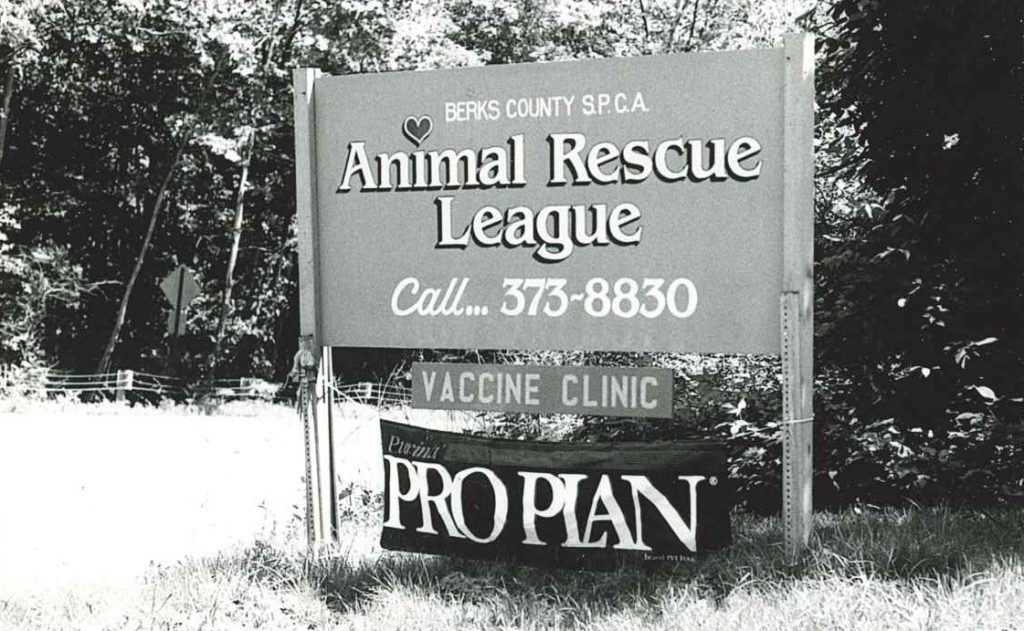
Mary Archer, a prominent Berks County socialite and lifelong activist for animal welfare, who used most of her family’s wealth to help others resigned in 1950 from the board of the Humane Society of Berks County and decides to open her own animal shelter. By July of 1952, Mary organized and chartered her own organization which was operated through memberships and donations. While waiting for the first kennel to be constructed on 10 acres of her Flying Hills farm, all the animals in the ARL’s care lived in foster homes until they were adopted.
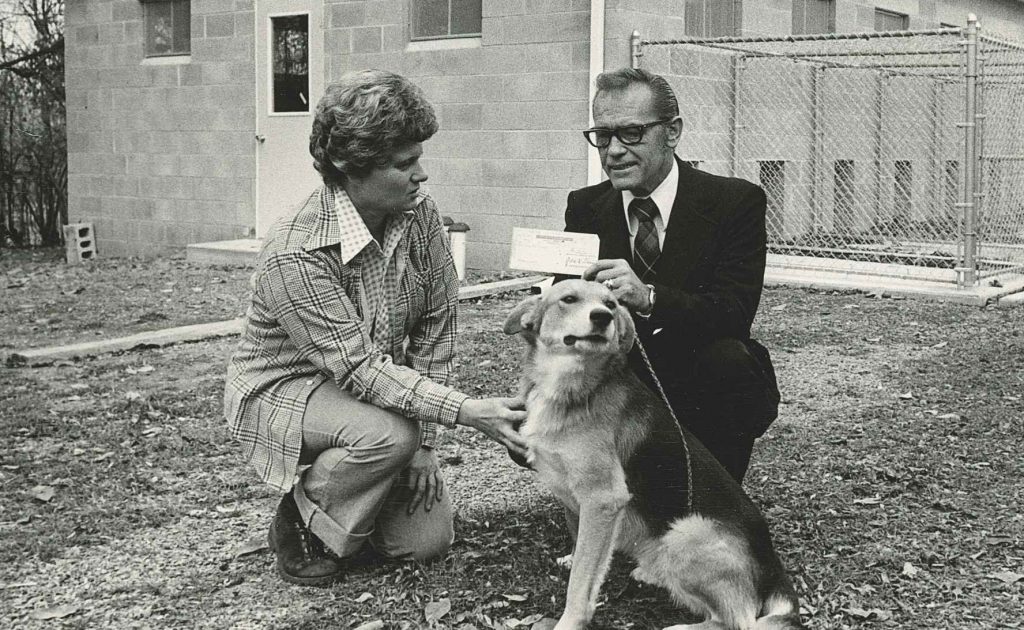
The first kennel building completed construction in September of 1953. This building hosted 40 kennels, a hospital room, an office and a kitchen. With the new resources, the ARL opened its kennel doors to 16 dogs and 4 cats on Sunday, October 18. By May 8th of the next year, over 700 dogs and 188 cats had been placed in homes and ARL membership reached a high of 800 members. Only three years later, by 1956, the ARL had helped 3,316 dogs and 979 cats find homes. Mary’s mission was being fulfilled.
The loss of Miss Archer in March 1963 was a devastating blow to the members of the ARL emotionally and financially only 10 years after opening the shelter. While she left the ARL her land that the shelter was built on, the organization had little money left to keep the doors open.
The ARL immediately found itself in desperate need of funds and had to stop intaking animals into the shelter. In order to raise funds, the ARL implemented “Operation Soup Bowl” in which they reached out to local restaurants for leftover bones to help feed the animals. Simultaneously, they reached out to pet owners to ask them for donations. At this time there were about 30,000 licensed dog owners and 35,000 cat owners. The ARL estimated that if one dollar was donated from every person, the League would be safe for almost three years.
Continued expansion & advocacy
Ever since its inception, the ARL’s mission has been to help as many animals as possible. Following the ARL’s investigation into animal cruelty complaints, including a farm raid in late 1964 that found thousands of animals improperly fed and housed–and thousand more dead–ARL leaders urged state lawmakers to completely update and revise PA Dog Law. Their efforts succeeded, with the governor signing the new anti-cruelty law into effect in 1965.
In 1973, the ARL expanded and added a new kennel to house 12 dogs and 20 cats. In the same year, the League purchases a new animal van. Shortly after, as the original kennel got older and began to fall apart in 1977, the ARL started a capital campaign to build a new shelter. The primary sources of funding came from a bequest of $40,000; the Dog Law Division of the Department of Agriculture, who provided $50,000; and a generous donation of $30,000 from Mrs. Wanda Leigh Fidler.
Continuing the expansion, in 1987 the ARL added 4 cat colonies to help the shelter care for and house large groups of cats. A surgery center was built on the premises in 1995 to handle spay/neuter surgeries for all shelter pets. This center was named after Harry Brown, the League’s longest-service executive director, and animal control officer.

In 2002, a six-stall barn and two pastures were constructed on its property to house needy farm animals such as horses, goats, pigs, chickens, and, eventually, barn/working cats.
The last big expansion at the ARL took place in 2008 when the shelter built a new addition, housing administrative offices, meeting space, and a reception area as well as 10 new kennels to keep up with the increasing demand for animal space.
Recognizing the commitment of the ARL to the animals in the community, The Department of Agriculture piloted a program with the shelter where the organization enforced dog law in lieu of a dog warden. These 5-year contracts were renewed twice, lasting until 2017.
A new era
In 2017, just days after Tom Hubric assumed the role of interim executive director, the ARL mistakenly euthanized two owned cats within a one-month period. The incidents generated significant public concern regarding the shelter’s euthanasia policies and practices and prompted a review of shelter operations.
In 2018, the ARL formally adopted a no-kill philosophy and ended the practice of euthanizing treatable and adoptable animals due to space limitations. In 2017, the save rate was 60% across all species, with 86% of dogs and 44% of cats having a positive outcome. This grew to 88% save rate across all species, with 91% of dogs and 85% of cats having a positive outcome.
Following Hubric’s resignation in 2019, Alexis Pagoulatos assumed executive leadership of the organization elevating the ARL into a progressive shelter focused on data driven outcomes in alignment with national trends and research. Shortly thereafter, the COVID-19 pandemic created operational challenges for animal shelters across the country. The ARL remained operational throughout the pandemic, evolving its operations to incorporate technology in new ways. During this period, staff completed Fear Free Shelter certification and adopted practices associated with the Human Animal Support Services (HASS) model.
In 2021, the ARL updated its mission and vision statements, rebranded, and expanded community-based services through the launch of the Pet Help Center and additional veterinary programming.
Ashley Mikulsky assumed the role of Chief Executive Officer in 2023. Under her leadership, the organization has expanded access-to-care initiatives, improved financial sustainability, deepened community support programs, and significantly expanded veterinary services. In 2024, the ARL was formally recognized as a No-Kill shelter partner by Best Friends Animal Society, reflecting years of organizational change and operational improvement to animal lifesaving.
Board of Directors

President
Vice President
Treasurer: Stephanie Ziegler of Diamond Credit Union
Secretary: Susan Gerhart of PA DUI Association
Board Members
- Jennifer Staudenmayer
Edward Jones - Kris Nolt
McGrew Equipment Company - Robert Hatfield
RHatfield Engine Repair - Tom Liana
First Energy - Lorin Basden Arnold
Kutztown University - Kyle Giles
East Penn
Leadership
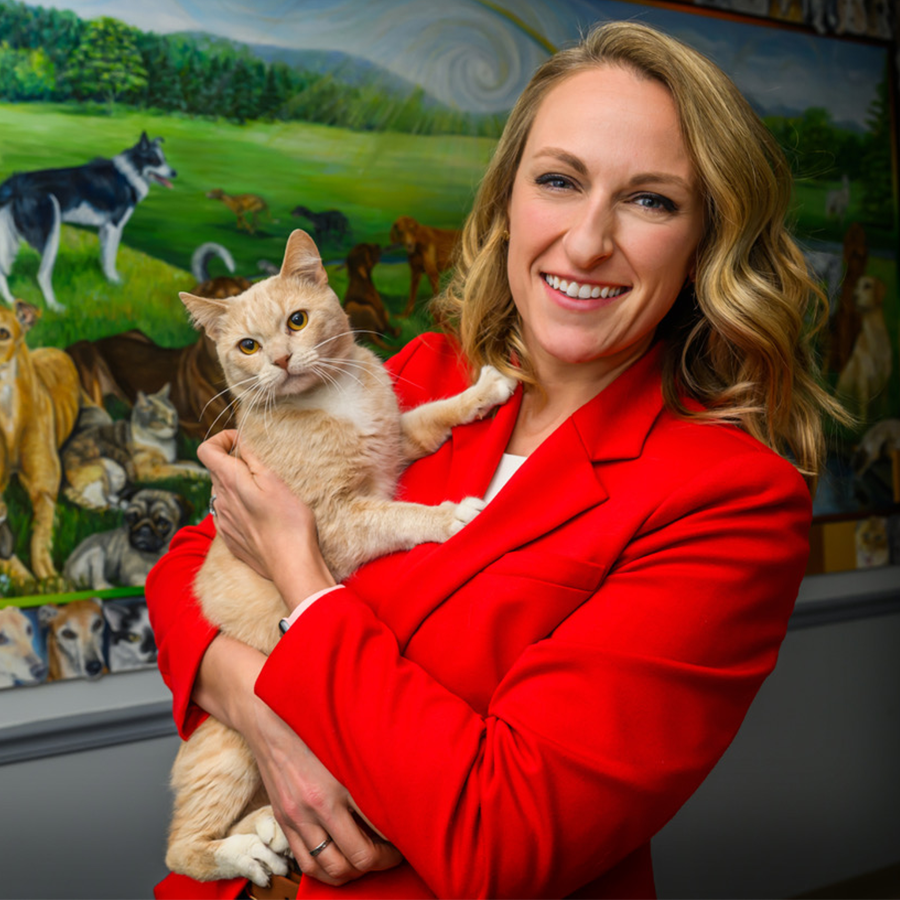
Chief Executive Officer
Ashley Mikulsky has more than 10 years of experience in philanthropy and has worked for several mission-based nonprofits in Pennsylvania including The Animal Rescue League of Berks County (ARL), Junior Achievement of Southeastern PA, and Alvernia University. She currently serves as the Chief Executive Officer at the ARL. Ashley’s passion to turn her love of animals into a career led her to professional fundraising when she realized how transformative advocating for animals was versus hands-on animal care. Ashley’s experience includes major gifts, direct mail, grant writing, comprehensive campaigns, and being the go-to on-camera personality by default. She has significant experience working for growing organizations and has raised over $10 million dollars for animal welfare, higher education, women’s issues, and financial literacy. Ashley has held leadership roles on several volunteer boards including Berks County’s Association of Fundraising Professionals, Junior Achievement of Southeastern PA, Alvernia University Women’s Council, and the Delaware Valley Alumni Council. Ashley lives in Muhlenberg with her 4 rescue pets: Chiquita, Jack, Remy, and Roxy; also known as Queesh, JackBear, Sir Remington, and Princess Peach.
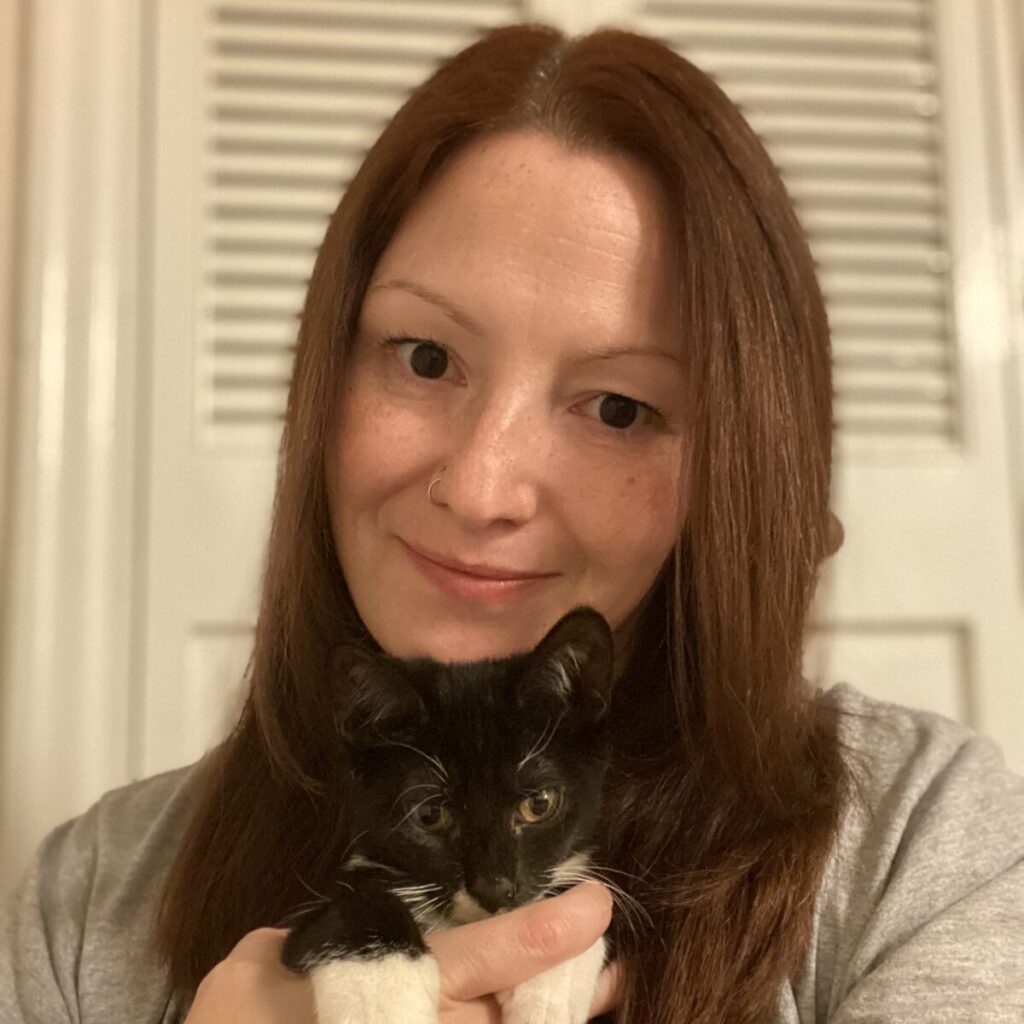
Shelter Director
After working in the banking & finance industry for over 15 years, Amara transitioned to the non-profit sector before eventually joining the animal welfare world. With nearly two decades of leadership experience and a lifelong passion for animal welfare, Amara is excited to continue the ARL mission of helping both people and animals in need in Berks County. In addition to being the Shelter Director, Amara and her family regularly foster kittens and special needs cats. In addition to her work at the ARL, in her free time, Amara enjoys spending time with her family, camping, and painting.
Chief Finance Officer
Karen Yost has worked for nearly 30 years for various non-profit organizations. After graduating from Lynn University in Boca Raton, Florida, she moved back to New Jersey where she grew up. She joined Community Hope, a non-profit organization focused on caring for people living with and recovering from mental illnesses. During her tenure as Director of Finance, patients served grew from 75 to over 350 annually, including the addition of a program specifically for veterans. Karen then became the Director of Finance and Development for Pass-It-Along, focusing on engaging youth in volunteerism, service learning, and community activism. Karen began volunteering at her local animal shelter in Sussex County NJ by fostering and bottle feeding orphaned and abandoned kittens. She was able to combine her passion for animal welfare and her non-profit experience in 2015 when she became the Shelter Director of Father John’s Animal House in Lafayette, NJ. Karen implemented a low-cost spay/neuter program for the public and had the pleasure of leading a team that tripled adoption rates in the first year. After working at a large regional shelter in New Jersey as VP of Finance & Administration, Karen became the Chief Financial Officer for the ARL.
Karen and her husband Paul live in Andover, NJ with their 7 rescued and ridiculously pampered cats. Together they have fostered over 250 kittens. Karen has a personal challenge to learn something completely new each year. Past year endeavors have included earning her sailing certification, becoming a Rutgers Master Gardener, scuba certified, and earning her motorcycle license. She also enjoys playing flute (nearly went pro all those years ago!) and cross-country skiing on the rare occasion that there is enough snow and free time.
Chief Development Officer
Stacey comes to ARL from the Reading Hospital Foundation where she served as the Director of Stewardship and Special Projects. She focused on donor cultivation, community partnerships, and special campaigns such as reenergizing the annual No Shave November fundraiser.
Prior to Reading Hospital Foundation, Stacey was the Director of Annual Giving at Alvernia University, where she created their annual giving day campaign, “All In For Alvernia,” oversaw the direct mail program, refreshed their class giving program, and managed the annual athletics giving competition. She also served as the Associate Director, The Hill Fund & The 1851 Society at The Hill School; Associate Director, Senior Class & Young Alumni at Lehigh University; and Area Coordinator, Arcadia University.
Ms. Cole received her certification in Project Management from Alvernia University, her Master’s in Education from Alvernia University, and her Bachelor of Science in Sociology and criminal Justice from York College of Pennsylvania.
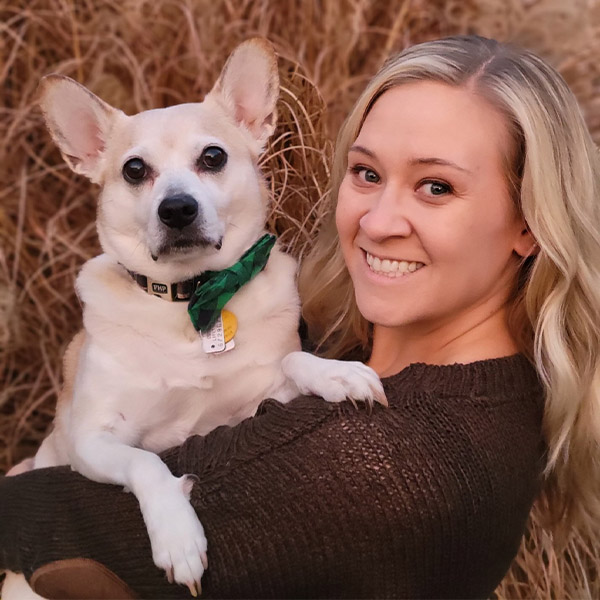
Chief Engagement and People Officer
Leann Quire is our Director of Human Resources and Customer Service and comes to us with over a decade of animal welfare experience. Leann graduated from York College of Pennsylvania with a Bachelor of Science Degree. While growing her skills in operations, Leann found her passion was to help support the amazing people in animal welfare. She feels this support is critical to the staff so they can best help the people and animals in our community. In her free time, Leann enjoys exercising, spending time with her husband and fur family, as well as practicing and educating herself on self-care methods.
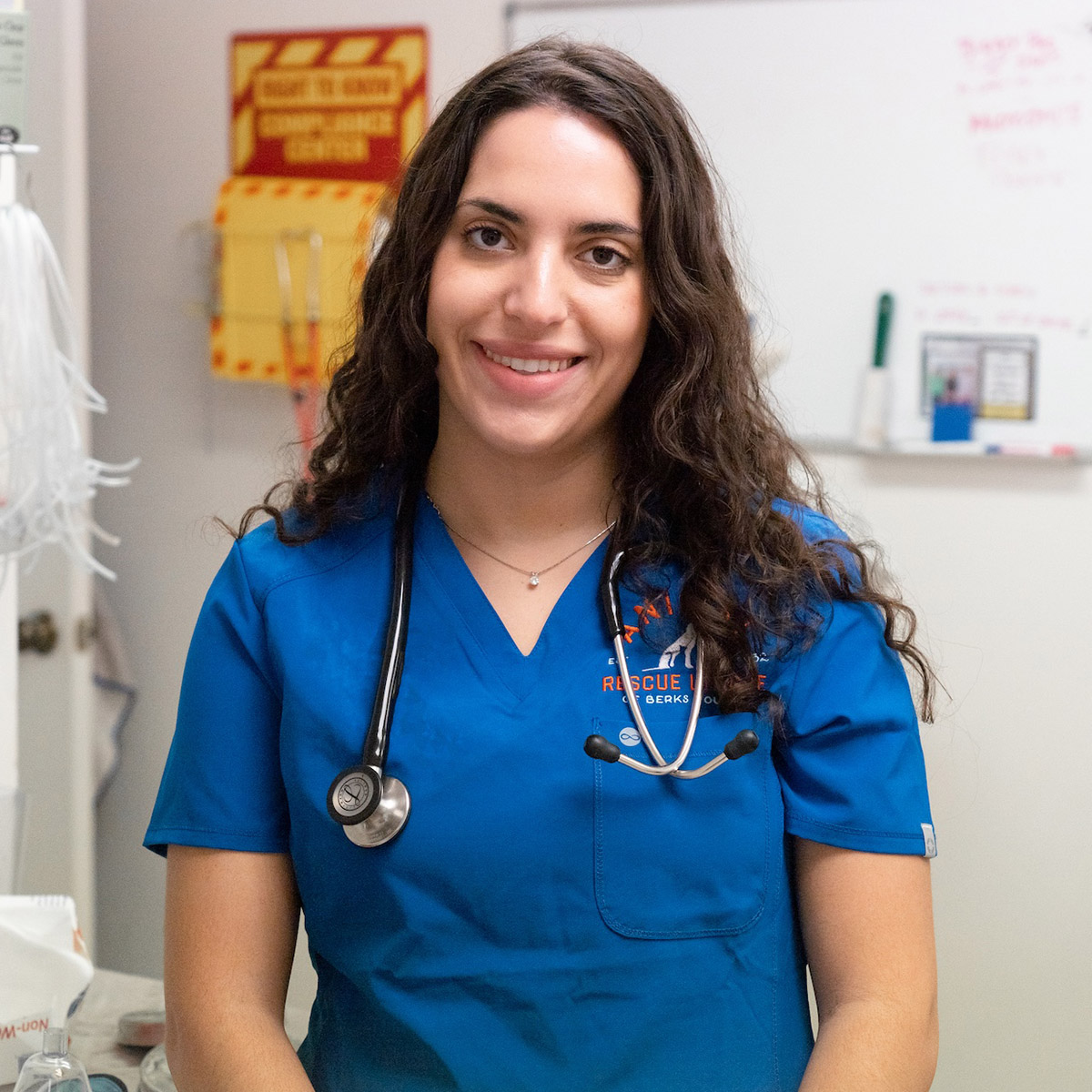
Dr. Rivera was born and raised in Pennsylvania, and wanted to be a veterinarian for as long as she can remember. She studied biology and chemistry at Gettysburg College and attended vet school at the University of Pennsylvania. After graduating vet school, she worked for a few years in private practice, where she had amazing veterinary mentors and had the pleasure of meeting wonderful clients and their pets. Shelter medicine has always been her passion, and she knew she would eventually end up in the shelter world. “I am excited to be part of the Animal Rescue League and help further their mission through expanding our medical center and access to care for the animals of our community.” Dr. Rivera currently lives in Phoenixville with her cat Roo and her dog Tai. In her free time, she enjoys hiking, cooking, and reading.
Managers
Alyssa Budock
Media and Communications Manager
Brandon Gooden
Medical Manager
Jen Raney
Volunteer Engagement Manager
Savannah Baller
Shelter Manager
Policies
The ARL has a number of policies in place based on the animal welfare best practices to ensure the well-being of the animals under our care, our staff, and our community. If you have questions about any of these policies, please email us at info@berksarl.org.
ARL’s shelter model
The ARL considers itself a “No-Kill” shelter, yet we acknowledge that this label can be misleading or confusing in the conversation of animal welfare. While we are proud to be nationally recognized as a No-Kill Shelter, we also recognize that every animal welfare organization operates under different circumstances and we deeply respect the work of organizations across the country that are committed to improving outcomes for animals.
The term “no-kill” can give the impression that an organization will never euthanize an animal, ever. Unfortunately, that is not reality.
Here at the ARL, we make extremely thoughtful, difficult, painful, and socially-conscious decisions about euthanizing animals who we consider to be too unsafe to place back out into the public, or who are too sick, too injured or too costly for us to treat. Please know that we go to extreme lengths to evaluate and treat each and every animal in our care to give them all a chance, and we only make these decisions when we deem the animal’s behavior or medical care to be so extreme that we have no other choice.
Conversely, we also do not put animals up for adoption who we know have long-term, expensive, and unmanageable health conditions or behavior problems just to inflate our live-release or adoption rates. Our priority continues to be the health and safety of not only our animals, but our community as well. Above all else, we believe in transparency, and we disclose any known health or behavior issues to our clients at the time of adoption.
It’s important to note that since the ARL started following a “no-kill” model in 2018, we have not euthanized a single animal for space, and we have worked tirelessly to find housing for overflow animals during peak times of the year when the shelter is full through our foster and rescue partner programs.
For people in the community who are looking to help the ARL succeed in its “no-kill” mission, we encourage you to consider becoming a foster to help us alleviate crowding during peak times of the year when the shelter is bursting beyond capacity or to donate to help us care for the animals in our care.
Resources:
NPR
Best Friends
Socially Conscious Animal Community
Home, Vet, or Landlord Checks
Simply put, research shows that these checks do not work, are not predictive of responsible pet ownership or bonding between people and their pets, and encourage lying by potential adopters. Far too often, people who feel that they will be judged (rightly or wrongly) as “unworthy” of adopting a pet from shelter through a rigorous and invasive process often will bypass shelters altogether and go directly to backyard breeders or pet stores where they know it will be an easy process to take home an animal. These checks also bottleneck the adoption process keeping pets in the shelter longer and making them more susceptible to both physical and mental illness.
While we–nor any other shelter or rescue that conducts extensive background checks–can guarantee the success of our methodology and adoption processes, each day, we try our absolute best to make sure that animals are going to good homes and are appropriately placed. We offer extensive and personalized one-on-one adoption counseling with each adopter, which begins with a conversation and a brief questionnaire to help our adopters and our counselors determine the personality traits of a pet that best fit their lifestyle. We ask thoughtful and thorough questions to help us uncover facets of an adopter’s profile that would likely never be on a simple “yes/no” type of application. It’s our goal not only to find pets homes but to find lifelong and successful placements.
Our counseling also has a strong emphasis on post-adoption happiness and satisfaction. We offer continued support and guidance to all of our adopters well beyond their “gotcha days” through a series of calls, as well as a “happiness guarantee” where adopters know they can return their animal anytime for any reason if the adoption isn’t working out.
While the ARL does not conduct home, vet, or landlord checks, please know that we do maintain and continuously update a “do not adopt” database of known violent or sex offenders, animal abusers, or people who have demonstrated irresponsible pet ownership.
Resources:
ASPCA
University of Wisconsin-Madison
Psychology Today
Animal Sheltering
Free or Reduced-Priced Adoptions
While we would love to charge an adoption fee at least equal to the amount of money we’ve invested into each of our pets, the reality is that we’re a non-profit and we are continuously operating from a need to find homes for animals to open space in the shelter so we can help more pets in need. The easiest and most effective way for us to do this is through reduced-price adoptions or free adoption events, like Clear the Shelters. Further, research shows that the price an adopter pays for their pet is in no way linked to their attachment to that pet, their ability to care for their pet, or the long-term success of their ownership of that pet.
We know of no human-animal bond that is cognizant of income. Low-income people who can afford the basic necessities of pet ownership are just as deserving of the love, companionship, and enrichment of a pet as those who face no financial challenges. And, quite frankly, we know that if people want a pet, they will do whatever it takes to acquire one. It is our hope that lower-income individuals would choose to adopt an already-spayed/neutered, vaccinated, healthy, and vetted low-cost or free pet from our shelter rather than pluck a free animal off of Craigslist who is not spayed/neutered, vaccinated, or vetted. Our mission is not to keep animals out of poor people’s hands, but to help them acquire pets who are in good health and cannot reproduce, and to help them keep their pets in their homes when unexpected and costly expenses would otherwise force them to give up their beloved companions.
Resources:
Best Friends
Salon
Besides research not supporting the myth that free adoptions attract animal abusers, most people who are intent on hurting animals will not go through a rigorous adoption counseling process, nor adopt an animal they intend to harm who has a microchip tied to their personal address and phone number. Because researchers have studied this topic so thoroughly and have concluded time after time that people do not value a paid pet any more than one they did not pay for, and because there is no evidence that links animal abuse to free adoption events at shelters, we will continue to use these events sparingly from time to time to help alleviate shelter overcrowding.
Resources:
Maddie’s Fund
No Kill Advocacy Center
Human Animal Support Services
Adoptions During the Holiday Season
While research does not support the notion that animals given as gifts are returned or valued any less than animals chosen by families during other times of the year, we adhere to a common-sense approach and do not adopt animals to people who are looking to surprise someone else who does not live in their home. Instead, our holiday promotions are geared towards in-family adoptions, such as parents giving their children a pet as a gift. In these cases, we know the person choosing the pet is ultimately responsible for his/her care and is aware of the responsibilities and costs associated with choosing to bring an animal home.
For many years, some shelters yanked their black animals off the adoption floor near Halloween for fear that people would adopt black animals with the intent to sacrifice or torture them. Simply put, this is a myth. There is no evidence to suggest that black cats (or dogs) are tortured or sacrificed during Halloween, and we do not believe in limiting any animal’s chance to find a responsible and loving home simply because myths are perpetuated about the dangers of adopting animals during certain holidays.
Resources:
ASPCA
Best Friends
Animal Sheltering
Cats with FeLV/FIV
A diagnosis of feline leukemia virus (FeLV) or feline immunodeficiency virus (FIV) (which are feline-only viruses and cannot be transmitted to humans) used to be an automatic death sentence for cats or kittens in the shelter environment. Today, more is known about these viruses, including the low incidence of these viruses in the Berks County area and the low transmission rates from cat to cat. More importantly, we know now that many asymptomatic cats who are infected with FeLV or FIV can lead as healthy and normal of a life as non-infected cats. Due to these reasons, at present, the ARL follows the advice of the updated 2020 guidelines issued by the American Association of Feline Practitioners, which was compiled by an international panel of experts, and no longer tests all cats who come into our care for FeLV/FIV since testing is very expensive, poor use of our resources, and often inaccurate. Today, we test cats whom we suspect may be infected with FeLV or FIV, and offer adopters the chance to have an untested cat tested before they adopt it for a $25 fee. All adopters are made aware of whether their cat was tested and is positive for FeLV/FIV so that they can make an informed decision at the time of adoption.
Resources:
University of Wisconsin-Madison
The American Association of Feline Practitioners
Maddie’s Fund
ASPCA
Animals from outside Berks County
Our commitment to Berks County’s animals always comes first, and it always will. By far, the vast majority of animals we care for are from Berks County. However, sometimes we do find ourselves with a lower population of shelter animals typically during the colder, winter months when animals are more likely to stay safely indoors, or following a successful adoption event. On the rare occasion when we do have space, rather than keep a room full of kennels empty, we feel an obligation to see how we can help other Pennsylvania-based rescue partners with whom we have a “Pawsitive Partner” agreement. These rescues often help us during our “busy” times of year by pulling animals when we’re overcrowded. To us, it seems only fair to repay the favor when we have the ability to shelter and find homes for these animals. Mostly, these rescues deal with Pennsylvania-based animals, but sometimes these rescues may pull animals from other states in the south, which is a region that continues to struggle with massive shelter intake and high euthanasia rates. We feel that this help is in accordance with our mission and allows us to save even more animals from needless euthanasia. After all, we believe that saving animals takes more than a village–it takes a network.
Resources:
Pit Bulls
Once known for their friendly, protective and loyal temperament, Pitbulls were so embraced by families that they were called “nanny” dogs in 19th century England–where they are now banned from being owned or bred today. Even though these dogs are so beloved by those who own them and those who work with them, they face a multitude of misconceptions, causing them to be overlooked by potential adopters and surrendered to our shelter more than any other breed often due to a lack of socialization and the prevalence of poor backyard breeding practices. Underneath their muscular builds and intimidating looks, Pitbulls are often goofy pups who enjoy both active and lazy lifestyles and the companionship of humans.
Here are the most common myths we hear about this breed:
MYTH 1:Pitbulls are inherently mean dogs.
Response: By the history of people forcing Pitbulls to fight one another, they’ve gained the reputation as being a mean or naturally “aggressive breed”. But, in fact, Pitbulls are naturally very easy-going dogs with a pleasant disposition and temperament. In fact, the American Temperament Test Society, which uses a uniform, scientific scale to rank the temperament of dog breeds, scores the American Pitbull’s temperament the same as a Golden Retriever, and ranked their temperament higher than commonly-loved dogs like Corgis or Beagles.
MYTH 2: Pitbulls have locking jaws, which makes their bite more dangerous than any other breed.
Response: No dog–including the Pitbull–has a locking jaw. Pitbulls are inherently determined and strong dogs, and they naturally bite and shake, which, coupled with their strength can cause their bite to do more damage than other breeds. However, they do not have the strongest bite of all dogs, they are not the only dog that bites and shakes, and they have jaws that exert about the same amount of pressure during a bite as a Labrador Retriever. Top 23 Dogs with the strongest bite listed here
MYTH 3:Pitbulls at the shelter once had horrible and neglectful owners, and years of abuse and neglect cannot be undone. These dogs can never be trusted.
Response: Yes, dogs of all breeds do arrive to us in very sad condition after years of abuse and neglect. But the majority of the dogs we care for come from families who took great care of them and loved them, but could not continue to keep them–oftentimes, due to housing restrictions. Forgiveness is not breed specific. Dogs are individuals, and they are also very forgiving creatures who are naturally wired to please people. Here is a follow-up to a highly covered news story that serves as proof of this: The Vicktory Dogs
Read more about what makes this breed so great:
Community Cats
ARL has worked hard to expand programming that can more effectively affect change on this problem.
- While we are only one organization, we are doing our part to model the solutions that we know have worked elsewhere throughout the country. We brought in specialist trainers from Best Friends to learn best practices for lifesaving outcomes for cats and are committed to advancing this goal.
- A commitment to move away from high euthanasia and into lifesaving outcomes so cats can survive the shelter system
- Efforts to expand our organization to be able to gain funding to start and maintain TNR programming in a consistent and high-volume capacity
- Instituting the SNVR/TNVR programs to intake and help as many cats as our capacity will allow and to push the number of annual spays/neuters higher
- Instituting low-cost TNR at $40
- Creating the donor-funded CatSnip grant program that provides access to $15 TNRs to the public and securing funding for it
- Supplying free TNR for people from contracted municipalities as our surgical capacity allows
- Added a Community Cats Coordinator staff position to focus on this issue with real resources
- Expanding the number of veterinarians on staff to do spay/neuter surgeries for the public
- Developing a volunteer program and coalition with county trappers/TNR enthusiasts to work collaboratively and reduce barriers to surgical access
- Working with other animal-welfare organizations to support and advance TNR efforts however possible
To learn more about the Community Cats Program, click here.
ARL Funding
Like most charities, the ARL does not receive funding from federal, state, or county tax dollars. At present, we receive some municipal support from a handful of municipalities in Berks County who can choose to contract with the ARL for animal control. Because citizens from these municipalities support the ARL through their tax dollars, they receive benefits that non-contracted residents do not, such as the ability to drop off stray animals they find for no fee.
Since we receive no federal, state, or county funding and so little municipal support, we rely on grants and donors to fund nearly 90% of our budget, which is why we continuously need to fundraise. Additionally, our adoption fees only cover a fraction of an animal’s care, often leaving us with a budget gap that we must fill through donor dollars.
While we hate to continuously have our hand outstretched asking for your support, it’s a necessary and vital part of our need to stay open, keep our lights on, and to continue to serve both the animals and our community.
Resource:
PetMD