

Thursday, Oct. 9, 2025
Over the past few months, we have seen a rise in rabies cases that have been reported not only across the country but specifically right here in Berks County. According to the Bureau of Animal Health & Diagnostic Services, our Region has seen 64 positive cases this year.
View the Rabies Tracking Dashboard here.
Since July, the ARL has assisted in detecting cases in Birdsboro, Wyomissing Borough, Upper Bern Township, and the City of Reading, most recently confirming a positive case from Upper Bern Township. We have also been informed of confirmed cases in Perry Township as well as Shoemakersville Borough.
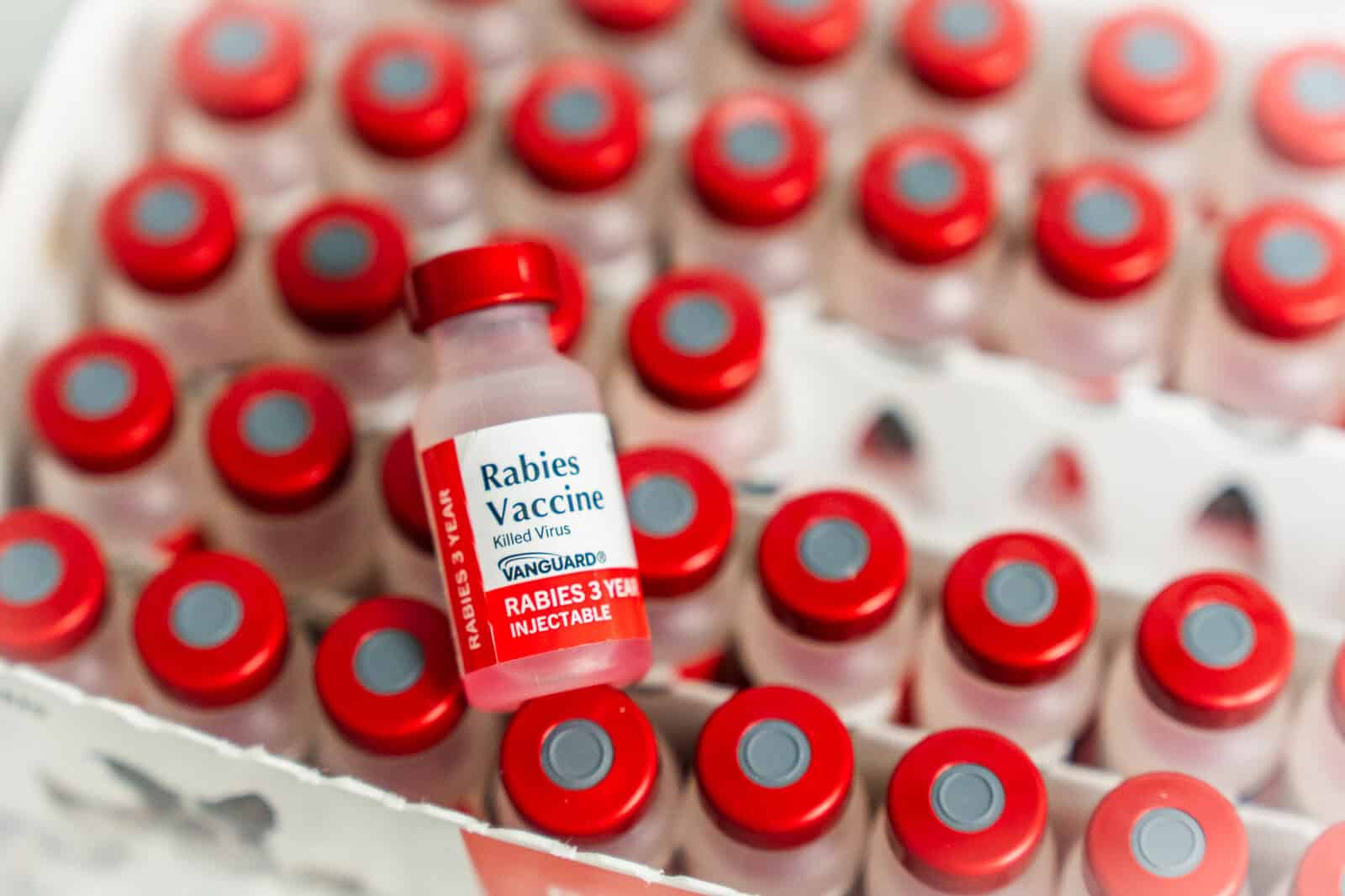
While rabies is a serious concern, the good news is that it’s highly preventable through regular vaccination for your pets. Even better news, the Animal Rescue League provides many options for low-cost and accessible ways to get your pets these vital vaccines. Available appointments can be booked on the ARL site here.
Did you know?
Pennsylvania law requires that all dogs and cats over 3 months of age be vaccinated against rabies. View the full PA Code here.
According to the CDC, rabies is a neurological virus that infects the central nervous system of mammals, ultimately causing disease in the brain and death in 99.9% of human cases if left untreated. Although 90% of reported cases of rabies in animals occur in wildlife–mainly skunks, raccoons, bats, coyotes, and foxes–the virus can be transmitted to dogs, cats, and cattle who have not received a vaccination.
(Source: CDC)
How to get your pets vaccinated
Rabies vaccinations can easily be done yearly:
- By your veterinarian
- Or through other local resources like Humane PA’s walk-in clinics
Being Proactive
- Always supervise your pets outdoors.
- Avoid contact with unfamiliar or wild animals showing signs of illness.
- If you or your pet have contact with a potentially infected animal, seek immediate medical or veterinary care and follow Department of Health guidance.
Common signs of rabies in animals (per the CDC) include:
- Trouble swallowing or excessive drooling
- Sudden aggression or biting at objects
- Unusual friendliness or disorientation
- Difficulty moving or paralysis
If you suspect a wild or stray animal may be infected, do not approach it.
Please Note: The ARL cannot provide service for wildlife, if you have found injured wildlife or have concerns about wildlife in your area view further resources here.
For stray domestic animals, contact your local animal control provider or police department right away.
Remember, the most effective way to protect your pets, your family, and your community is by being proactive, keeping your pets up to date on vaccinations and utilizing the valuable resources from the community. Check your vaccination records today!
Leave a Reply